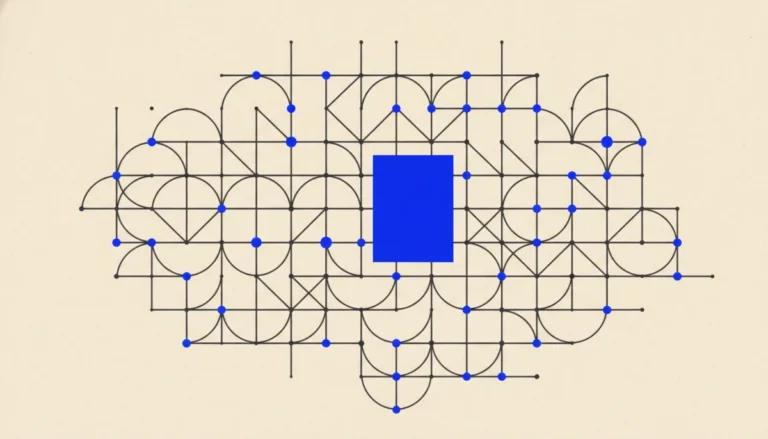
A blockchain is a shared digital record that many computers keep at once, rather than a single company keeping the master copy. New entries are grouped into “blocks,” each linked to the one before it, forming a chain that is very hard to alter after the fact.
Why the design matters
Because thousands of independent computers (nodes) each hold a copy and must agree on updates, no single party can quietly rewrite history or spend the same coin twice. That agreement is reached through a consensus mechanism such as proof-of-work or proof-of-stake.
What it is good and bad at
Blockchains are excellent at creating a trustworthy shared record without a middleman, which is powerful for money and ownership. They are slower and more expensive than a normal database, so they are not the right tool for everything — a point we return to often in our coverage.
Educational content, not financial advice. Crypto is volatile and you can lose money. Do your own research. Crypto Ruble Coins is a news and education publication — not an exchange, conversion, or off-ramp service.
Last updated 14 Jul 2026

Stanislas writes about web3, blockchain, crypto, metaverse, funding.