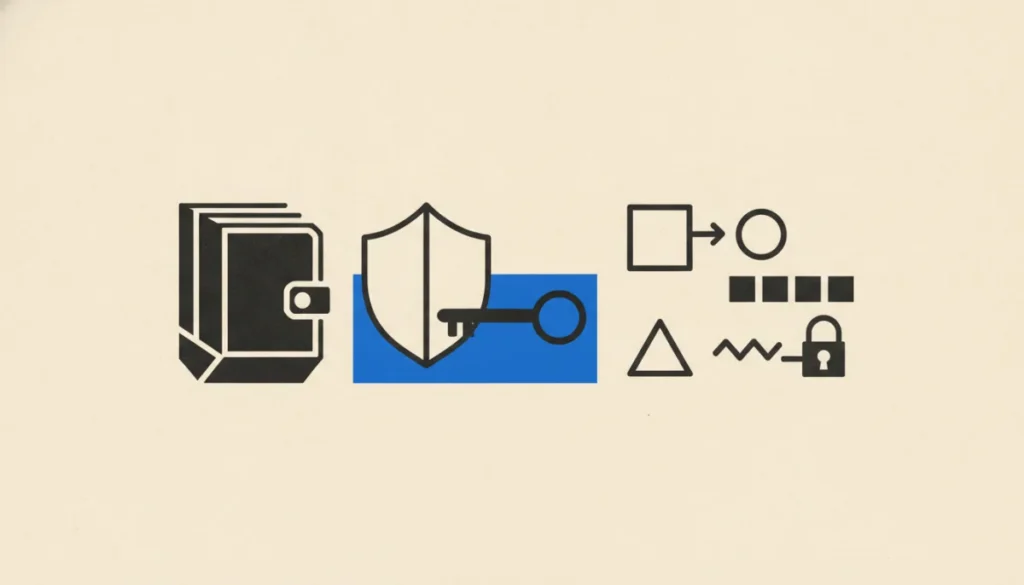
A hardware wallet keeps your private keys on a dedicated offline device, so they never touch an internet-connected computer or phone. It is one of the safest ways to hold crypto — but only if you set it up correctly. A handful of mistakes during setup can quietly undo all of that protection, so it is worth doing slowly and once, properly.
Buy from a trusted source
Buy only directly from the manufacturer or an authorized reseller. Never buy a hardware wallet second-hand, from a marketplace listing, or from an unknown seller — a tampered device or a pre-loaded recovery phrase is a common way people are robbed. When it arrives, check that packaging and seals are intact, and verify the device is genuine using the manufacturer’s official app before you do anything else.
Initialize it yourself, from scratch
Set the device up yourself, from a factory-fresh state. A legitimate hardware wallet never arrives with a recovery phrase already printed or pre-filled — if yours does, stop and contact the manufacturer, because it is compromised. You should be the one who generates a brand-new phrase during setup.
Your recovery phrase is everything
During setup the device generates a recovery phrase, usually 12 or 24 words. This phrase is your wallet: anyone who has it controls your funds, and no one can help you recover them if you lose it. Handle it accordingly:
- Write it on paper — or better, a metal backup — by hand. Never photograph it, type it, or store it in a password manager, cloud note, or email.
- Never enter it into any website, app, or “wallet validation” pop-up. No legitimate service will ever ask for it. That request is always a scam.
- Store backups securely and in more than one physical location, protected from fire, water, and prying eyes.
Set a strong PIN
Choose a PIN that is not a birthday or a simple sequence. The PIN protects the device if it is lost or stolen; combined with the wallet’s automatic wipe after several wrong attempts, it buys you time to move funds using your recovery phrase on a new device.
Test your backup before you fund it
Before moving any meaningful amount, confirm you can actually restore. Wipe the device (or use a spare) and recover it from your written phrase to prove the backup works. It is far better to discover a mistake with an empty wallet than with your savings on it.
Staying safe day to day
Once set up, keep two habits. First, always verify the receiving and sending address on the device’s own screen — malware can swap an address shown on your computer, but not on the hardware wallet. Second, install firmware updates only through the official app, and treat any unexpected message, email, or call about your wallet as phishing until proven otherwise.
Key takeaways
- Buy new, from the manufacturer or an authorized reseller, and verify authenticity.
- Generate the recovery phrase yourself; a pre-filled phrase means the device is compromised.
- Write the phrase by hand, keep it offline, and never type it into anything.
- Set a strong PIN and test your backup before funding the wallet.
- Confirm every address on the device screen and update firmware only via the official app.
We define these terms further in the glossary, and cover related risks in our security coverage.
Educational content, not financial advice. Crypto is volatile and you can lose money. Do your own research. Crypto Ruble Coins is a news and education publication — not an exchange, conversion, or off-ramp service.
Last updated 15 Jul 2026

Bernard Condon is a financial and cryptocurrency writer covering digital assets, blockchain innovation, fintech, and global markets. He specializes in translating complex industry developments into clear, data-driven insights for investors and technology enthusiasts.