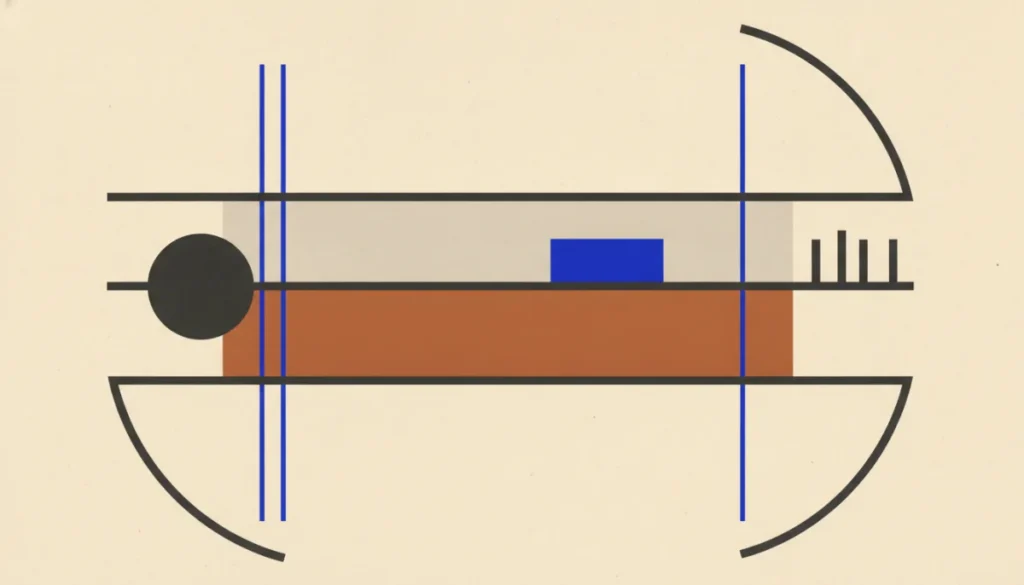
You will see blockchains described as “layer 1” or “layer 2.” The distinction explains a lot about how the ecosystem is structured and where value flows.
Layer 1: the base chains
A layer 1 is a base blockchain that settles its own transactions and provides its own security — Bitcoin, Ethereum, Solana and others. They are the foundation, but base-layer space is limited, which can mean high fees when demand spikes.
Layer 2: scaling on top
A layer 2 sits on top of a layer 1 (usually Ethereum), processing transactions more cheaply and quickly, then settling back to the base chain for security. Networks like Arbitrum and Optimism are examples. The trade-off is added complexity and new trust assumptions.
Understanding which layer a token belongs to helps you weigh its role and its risks. See our coin pages for the majors in each category.
Educational content, not financial advice. Crypto is volatile and you can lose money. Do your own research. Crypto Ruble Coins is a news and education publication — not an exchange, conversion, or off-ramp service.
Last updated 14 Jul 2026

Stanislas writes about web3, blockchain, crypto, metaverse, funding.