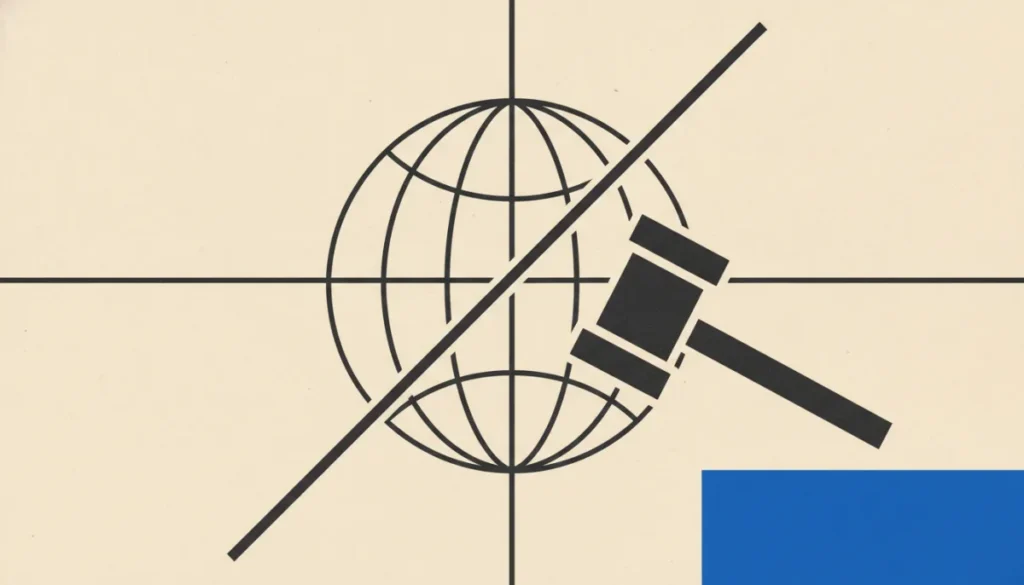
There is no single global rulebook for crypto. Instead, each country regulates it differently, and the rules are evolving quickly. Understanding the broad approaches helps you make sense of the news.
Broad approaches
Some jurisdictions have built comprehensive frameworks that license exchanges and set rules for stablecoins and disclosures. Others rely on existing securities, commodities, or payments law, applied case by case. A few restrict or ban certain activities outright. The same token can be treated very differently depending on where you are.
Recurring themes
Across markets, regulators tend to focus on the same issues: protecting consumers, preventing money laundering, taxing gains, and — increasingly — how stablecoins and even central bank digital currencies should fit in. We track the CBDC side of this in The CBDC Watch.
How we cover it
We report regulation as news and analysis, cite primary sources such as regulators and central banks, and never present coverage as legal advice. The law that matters is the one where you live.
Reporting for information only — not legal advice or guidance to circumvent any law or sanction.
Last updated 14 Jul 2026

Bernard Condon is a financial and cryptocurrency writer covering digital assets, blockchain innovation, fintech, and global markets. He specializes in translating complex industry developments into clear, data-driven insights for investors and technology enthusiasts.