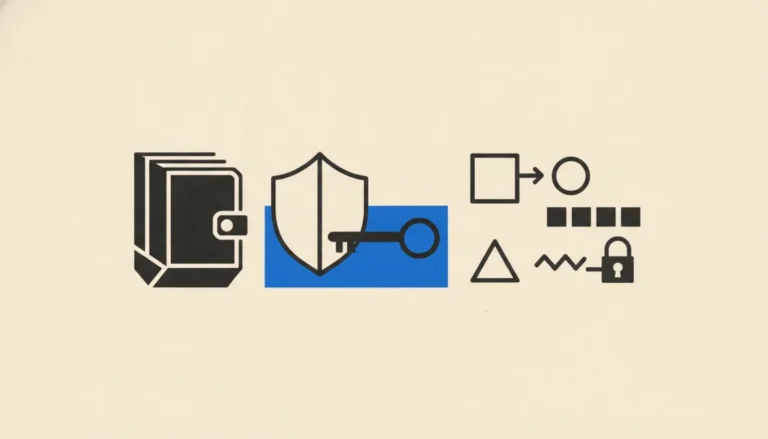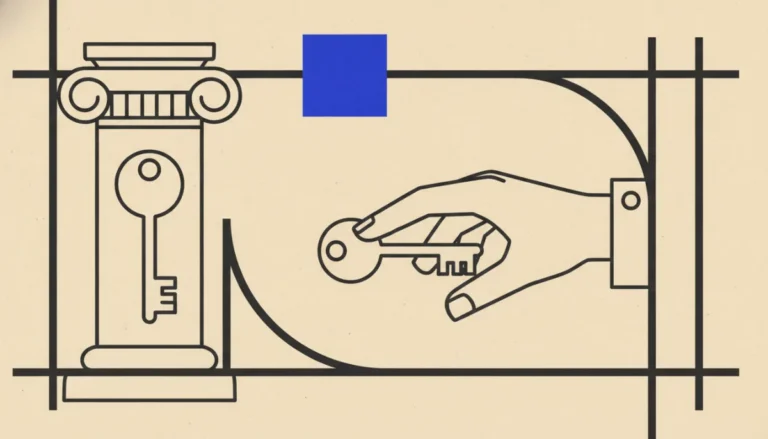
In crypto, you are often your own bank — which means security is your responsibility. The single most important idea is this: whoever controls the private keys controls the funds.
Hot versus cold wallets
A hot wallet is connected to the internet (a phone or browser app) — convenient but more exposed. A cold wallet (a hardware device kept offline) is far safer for meaningful amounts. Many people use both: a hot wallet for small, active balances and cold storage for the rest.
Protect your seed phrase
Your seed phrase (usually 12 or 24 words) can restore your entire wallet. Never type it into a website, never photograph it, and never share it — no legitimate service will ever ask for it. Write it down, store copies securely offline, and consider a metal backup.
Everyday habits
Use strong, unique passwords and a password manager; enable app-based two-factor authentication; double-check addresses; and be skeptical of urgency. Read our Scam Alerts before you send anything.
Educational content, not financial advice. Crypto is volatile and you can lose money. Do your own research. Crypto Ruble Coins is a news and education publication — not an exchange, conversion, or off-ramp service.
Last updated 14 Jul 2026

Bernard Condon is a financial and cryptocurrency writer covering digital assets, blockchain innovation, fintech, and global markets. He specializes in translating complex industry developments into clear, data-driven insights for investors and technology enthusiasts.